Oxygen and Electronics: The Dangers of Sealed Environments
In a sealed room, the wrong air becomes a death trap. High-tech environments require suppression that protects the technology and the atmosphere simultaneously.
Quick Look: The Historical Impact
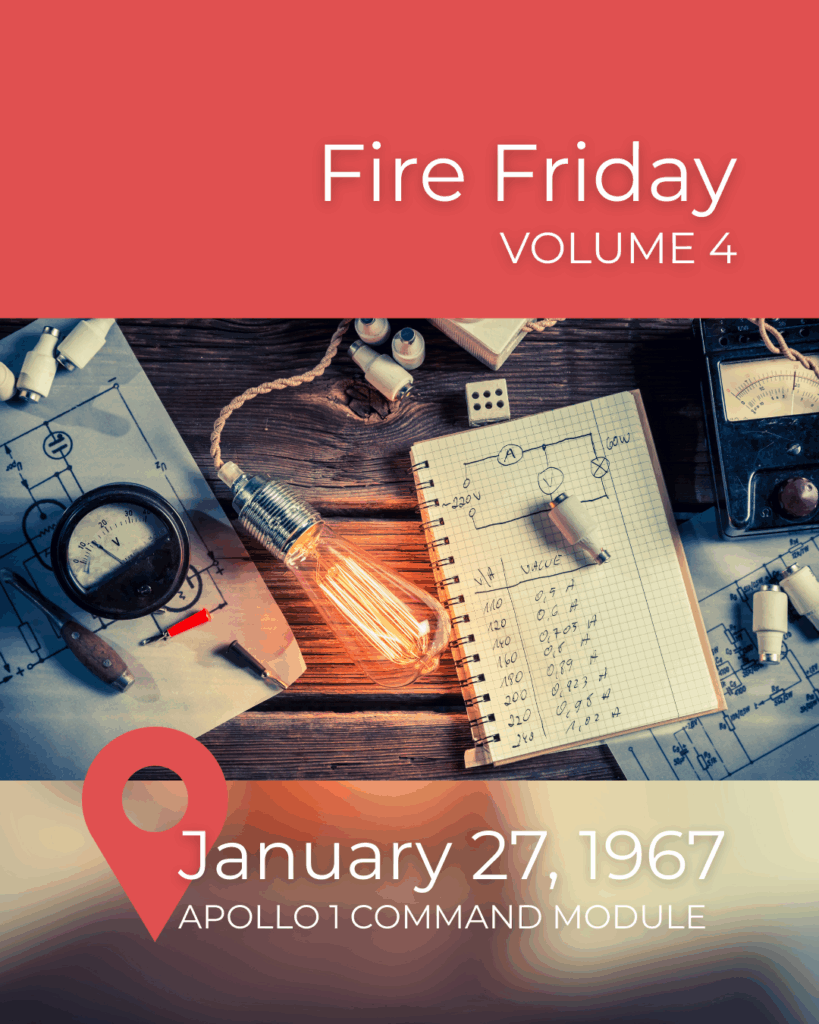
- Event: Apollo 1 Command Module Fire
- Date: January 27, 1967
- The Cause: Electrical arc in a pure oxygen pressurized environment
- The Result: Loss of three astronauts and a complete redesign of the space program
- Modern Lesson: Sealed environments with sensitive electronics require non-conductive low-residue suppression
What Caused the Apollo 1 Fire?
In 1967, NASA engineers prepared the Apollo 1 crew for a routine launch pad test. Inside the sealed command module, the atmosphere consisted of pure oxygen pressurized above atmospheric levels. An electrical arc from a frayed wire ignited the interior. In the oxygen-rich environment, the fire became an uncontrollable blowtorch in seconds.
This tragedy changed how engineers think about fire in sealed high-tech spaces. Today, we face similar risks in clean rooms, data centers, and advanced manufacturing sites. These organizations cannot risk downtime or the catastrophic loss of assets.
Key Takeaways
- The Oxygen Factor: Fire behaves differently in pressurized or oxygen-rich environments and requires specialized suppression.
- Electronics Vulnerability: Water or foam suppression would destroy the sensitive electronics inside a command module or server.
- Sealed Space Challenges: Suppression in sealed environments must not leave residue that could damage life support or sensitive optics.
- Continuity of Expertise: Standard Fluids brings decades of experience in high-stakes global applications.
- Reputation Insurance: Safeguarding high-profile missions or infrastructure serves as insurance for your brand reputation.
Apollo 1’s Legacy: Modern Workplace Safety Standards
Modern electronics require an atmosphere that remains clean and dry. As legacy brands like 3M™Novec 1230™ Fire Protection Fluid exit the marketplace, customers must find trusted partners to navigate the transition. Standard Fluids provides that continuity through scientific expertise and rigorous testing protocols.
Our SF 1230™ Fire Protection Fluid provides the ideal solution for sealed environments. This product is non-conductive, meaning it will not short out electronics during discharge. It leaves no residue, ensuring that sensitive hardware remains operational once the threat passes. It serves as a drop-in replacement for legacy fluids, providing clarity and confidence amid industry shifts.
The Legacy Lesson: Engineering for the Impossible
What can the Apollo 1 module fire teach us? First, NASA redesigned the Apollo modules with fire-resistant materials and a new hatch system. In addition, they moved away from pure oxygen on the launch pad. In the same way, modern facilities must engineer for the worst-case scenario. Clean agents like SF 1230 fluid provide the bridge between scientific complexity and operational safety. Trust comes from the team that stands behind the science.
The Architecture of Assurance
According to NASA, the Apollo 1 module fire taught us the importance of small electrical risks. We help you avoid those risks by offering transparency around COA standards and quality impacts on performance. In fact, Standard Fluids focuses on educating users on product comparisons and best practices to mitigate even the smallest risks.
Join us for next week’s Fire Friday, where we’ll visit The La Fenice Opera House Fire (1996)
Contact us to protect your high-tech sealed environments today: https://standardfluids.com/contact/